Instagram, Body Image, and Mental Health: Why the Harm Goes Beyond Filters
Instagram can make appearance feel like a running public score. Polished photos invite comparison, while a stranger's body-shaming can turn an argument into an attack on someone's right to speak. Those experiences can affect people differently, so there is no single screen-time limit or “positive” feed that works for everyone. The useful starting point is noticing what changes in your thoughts or behavior after you scroll.
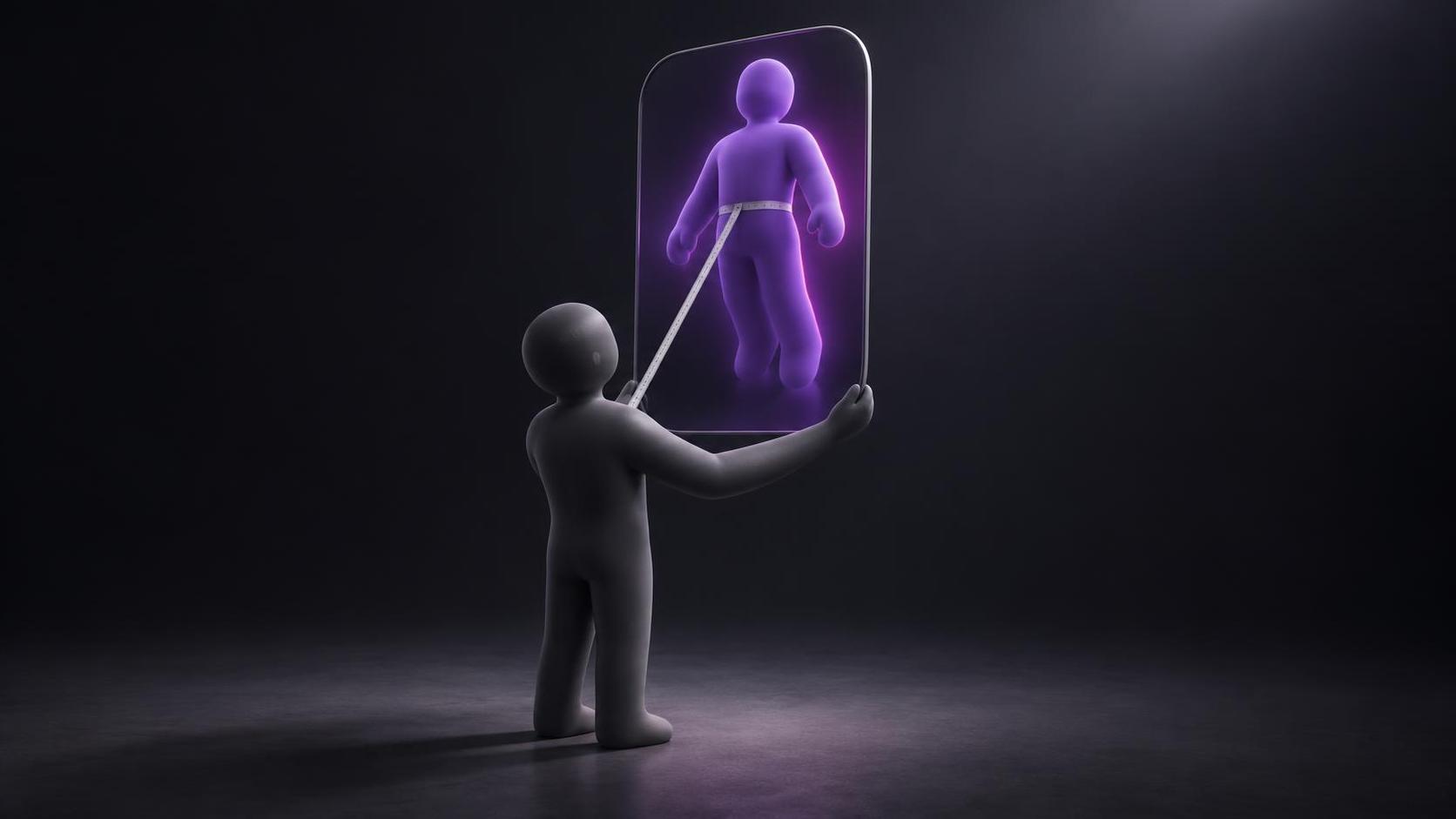
How Instagram can shape body image
The comparison is uneven. You see other people's best angles, chosen moments, lighting, filters, and sometimes retouching. Then you judge those images against your everyday reflection, taken without the same preparation. Likes and comments add a visible measure of attention, which can make appearance feel like something other people are constantly grading.
Over time, that habit can pull your focus toward checking how your body looks, comparing features, or wondering how other people see you. It may leave you dissatisfied or anxious about your appearance. A person's response depends on more than the app: age, past experiences, current mood, and the particular content in a feed all matter. A difficult reaction is worth noticing even if it does not amount to a diagnosis.
Body-positive content has limits
Posts showing varied bodies and encouraging self-acceptance can lift mood and body satisfaction in the moment. Their effects on appearance comparison and body monitoring are less consistent. A caption about self-love does not guarantee that an image will feel neutral to you. Watch whether a post pulls your attention back toward scrutinizing your body.
When body-shaming changes the subject
Body-shaming switches the subject from an idea to appearance. When a reply ignores what you said and attacks your body, it is not useful health feedback. The sting can make you question whether speaking up was worth it, even when the comment says nothing about your argument. You do not owe a defense. Block the account and leave.
What a break can reveal
Time away can soften the habit of ranking bodies, including your own. You might still dislike a feature and stop punishing yourself for it. The aim can be less self-attack, not forced self-love.
Comparison can return fast. Opening Instagram for a handstand reference can turn into judging your own skill against other dancers within minutes, even if you liked your choreography moments earlier. Decide what you came to view, then close the app when the scroll stops serving that purpose.
Treat a break as a personal check, not a guaranteed fix. Notice whether you feel less critical of your body or other people while away, and what happens when you return.
Make Instagram easier to use
Start by paying attention to the effect of a session, not only its length. Ask what you were looking at and what happened next: Did you start checking your body, comparing your skill, or feeling pressure to change something? A brief note after scrolling can make a pattern easier to spot.
Then change the part you can control. Mute or unfollow accounts that repeatedly prompt comparison, use “Not interested” on unwanted recommendations, and block or report people who target your appearance. Following varied, less appearance-focused accounts may broaden your feed, though it is not a guaranteed fix. If scrolling regularly leaves you distressed, try shorter, purposeful visits or take a break and see how your own mood responds.
If Instagram is affecting your eating, exercise, relationships, or ability to take part in everyday life, talk with a mental-health professional who understands body image or eating concerns. You do not need to wait for a crisis to ask for support.
If the feed repeatedly leaves you more critical of yourself, changing your routine is reason enough.
Related Articles

Instagram's ranked Home feed, off-site tracking, ads, and recommendation systems explain why followed accounts disappear and why creator reach is so unpredictable.
Should you make your Instagram public solely for online dating? What are some red flags you can spot before you date someone? Can a good Instagram profile create a better first impression than a dating app?
This article will discuss methods for viewing Instagram stories when you have been banned by Instagram.