Instagram Content Strategy: How to Turn Views Into Followers
An Instagram post can hold attention and still leave someone with no reason to follow. A useful strategy has two jobs: make each piece worth watching, then make the profile's ongoing promise easy to recognize. When growth stalls, check those separately before adding posting days or copying a trending format.

Diagnose the weak link before making more posts
Start with what you can observe. If viewers leave early, inspect the first seconds. If a clip earns views but few follows, ask what a stranger would expect next. If growth slowed after a strong period, compare earlier winners with the material you publish now.
Separate the bottleneck before changing the calendar: weak retention points to the start, weak follow-through to the profile promise, and a long plateau to a change in topic or delivery.
A smaller profile can draw views and still leave a stranger unsure why to return. First, check legibility: does the opening text stay on screen long enough to read? Then check distinctiveness: what can this creator explain or show that another account in the niche would not? More exposure cannot supply that answer.
Make the opening earn attention
Let the first frame show something worth seeing. A greeting, long introduction, or silent setup delays the point. Start with the joke, a visible action, a surprising detail, a question the clip will answer, or a reaction that makes the next moment matter.
Give captions embedded in the image enough screen time. A line that disappears too quickly makes someone decode instead of watch. Use a few readable words and let one thought land before adding another.
Run a quick opening check before publishing: Did anything happen? Is there a reason to keep watching? Would this make sense to someone unfamiliar with the creator? If not, cut or rebuild the start.
The right opening depends on the creator. A comedy video can begin inside the joke. A music duo might use a reaction or exchange between members. A tutorial can show the mistake before explaining the fix. Being on camera is not mandatory; the opening simply needs a clear moment that belongs to this subject.
Studying creators in the same niche can help you spot useful patterns. Notice what they show or say first, how quickly the value becomes clear, and what keeps you watching. Borrow the principle, not their wording, jokes, or exact setup.
Give a new visitor a reason to follow
A one-off entertaining or beautiful clip can win a pause; a follow means someone expects future value. State that continuing offer clearly: practical lessons, an unusual perspective, a satisfying process, or a recognizable kind of story.
Make expertise visible through the decisions behind the work: a lesson, past mistake, changed opinion, or overlooked detail. It need not become a diary; explain the judgment that shaped the result.
The profile should echo that promise. Say what you make or teach, who it helps, and pin examples that show what future posts will offer. If your profession requires disclosures, keep them in place, but avoid letting a long introduction delay the answer to a viewer's question.
Turn the finished result into a story of making it
Finished work is often the payoff, not the whole video. Give viewers a reason to care about how it came together. A cake, painting, bouquet, song, or client project can carry a small narrative without elaborate production.
Before filming, answer a few questions:
- Who is this for, and what is the occasion or goal?
- What idea shaped the result?
- Which choice, step, or constraint was difficult?
- Did anything unexpected change the plan?
- What will the viewer understand by the end?
For example, a cake video could open on a tricky decoration, explain why it suits the event, show the most satisfying part of the process, and finish with the reveal. A painting could start with the decision behind the subject, show a change made midway through, and end with what that choice taught the artist. The story gives the visuals a direction; the finished object completes it.
The same approach works for music and other performance-based accounts. Show the people behind the work, their interaction, a rehearsal moment, or what was difficult to get right. A polished final clip can look impressive, but context gives an unfamiliar viewer something to connect with.
Choose Reels or carousels for the job
Select a format that suits the idea. Reels can show movement, performance, jokes, transformations, or demonstrations. A carousel offers room for a slide-by-slide explanation. Keep each panel focused and let the next one advance the thought rather than repeat it.
Some topics can work in either format. A quick Reel might show an exercise correction; a carousel can explain why the correction matters and how to apply it. The useful question is not which format always wins, but which one lets this idea land clearly and gives the viewer a reason to return.
Compare results that match the goal. Views alone cannot show whether a stranger visited your profile or followed. Note which ideas earn discovery, which prompt profile visits, and which bring new followers. Treat each result as a clue about the material, not a permanent rule for the whole profile.
When growth stalls, compare what worked then with what you make now
Set earlier top-performing pieces beside current output. Compare their premise, first frame, pace, maker presence, and payoff. Did an account that grew through quick jokes drift into long setups? Did an artist stop showing process and publish only finished work? Did useful tutorials give way to unrelated topics?
The aim is to find a repeatable ingredient, not to recreate an old post forever. A strong older video may reveal that viewers respond to a particular question, the creator's face, a satisfying transformation, or a specific kind of explanation. Bring that ingredient into a fresh idea.
You can also review a small group of successful creators in your niche. A broad category may reward a wider scan; a narrow craft or local service may be easier to compare with a handful of close peers. Ask two questions about each account: What do people keep coming back for, and what happens in the opening seconds? Look for patterns you can adapt to your own work.
Before making the next batch, write one sentence for each post: “The viewer will get ; the opening shows ; this fits the account because ___.” If one blank is hard to fill, clarify the idea before recording.
An Instagram content strategy is stronger when each post earns attention and the profile makes the next post easy to imagine. Fix the opening when viewers leave early. Sharpen the account's promise when views do not lead to follows. Add process and point of view when good visuals feel interchangeable. Then use the posts that already work to guide the next experiment.
Related Articles

Learn how Instagram comparison, curated images, and body-shaming can affect self-image, and how to adjust your feed without treating a break as a cure.

Instagram's ranked Home feed, off-site tracking, ads, and recommendation systems explain why followed accounts disappear and why creator reach is so unpredictable.
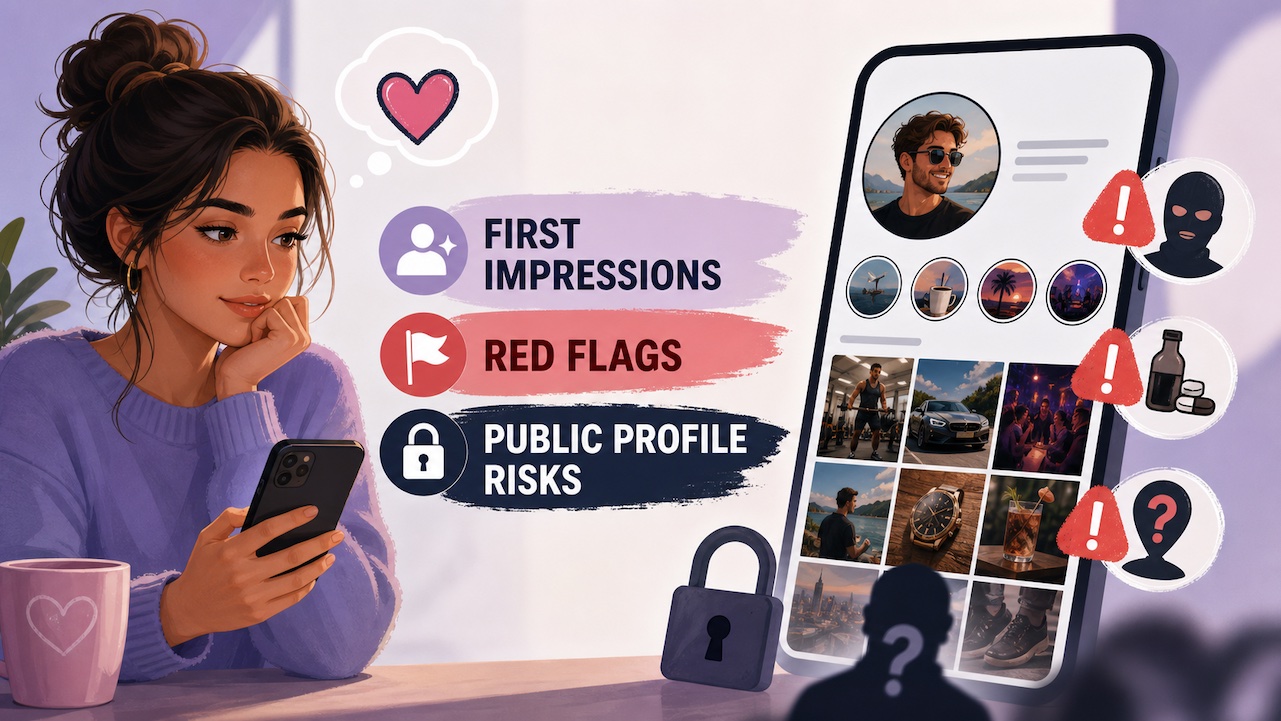
Should you make your Instagram public solely for online dating? What are some red flags you can spot before you date someone? Can a good Instagram profile create a better first impression than a dating app?